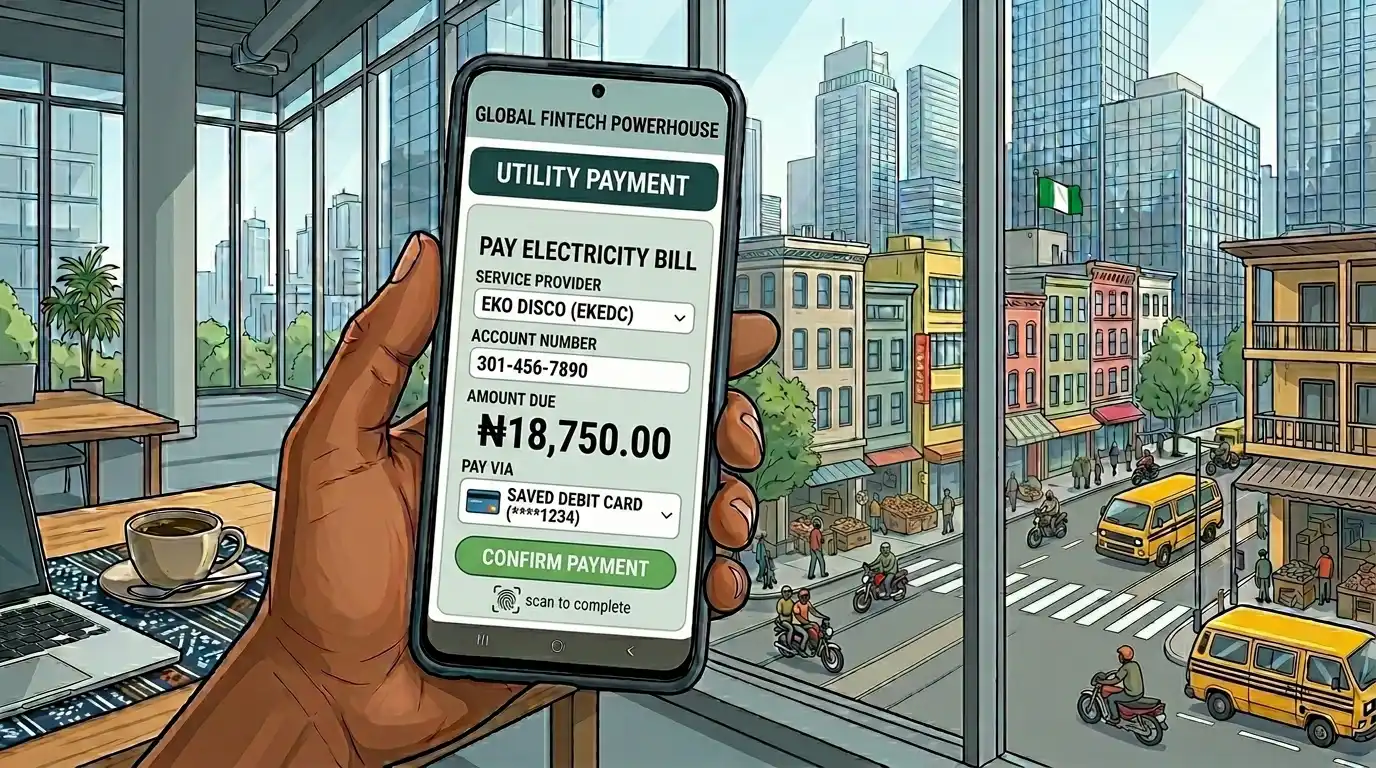

Paying electricity, internet, airtime, and cable TV subscriptions has become easier thanks to modern bill payment apps in Nigeria. According to data from the Central Bank of Nigeria, digital payment adoption continues to rise as more Nigerians rely on mobile banking and fintech apps for daily transactions.
Many people still struggle with failed payments, delayed reversals, or apps that charge hidden fees. Others want cashback rewards or faster ways to recharge airtime without visiting physical agents. Reliable bill payment platforms now solve these problems by allowing users to manage multiple services directly from their smartphones.
The best apps combine speed, low transaction costs, security, and support for Nigerian services like electricity distribution companies, GOTV, DSTV, Startimes, internet subscriptions, and airtime purchases. Some also provide cashback bonuses and referral rewards that reduce monthly expenses.
Choosing the right platform can save money, reduce stress, and make everyday payments more convenient.
Table of Contents
Why Nigerians Prefer Bill Payment Apps
Bill payment apps are becoming more popular because they remove the stress of physical queues and manual payment processes. Instead of visiting POS agents or bank branches, users can settle electricity bills, cable subscriptions, and airtime purchases in minutes.
Another major reason is convenience during emergencies. A person can recharge electricity tokens late at night or renew DSTV immediately before a football match starts. This flexibility matters in Nigeria, where busy schedules and traffic often make physical payments difficult.
Many apps also reward users through cashback programs. Apps like PalmPay and Opay frequently offer discounts on airtime purchases or utility bills. For people managing tight monthly budgets, these small savings add up over time.
Popular benefits include:
- Faster transactions without visiting payment centers.
- Cashback offers on airtime and electricity purchases.
- Ability to manage multiple bills in one app.
- Better payment records and digital receipts.
- Easier access for users in rural and urban areas.
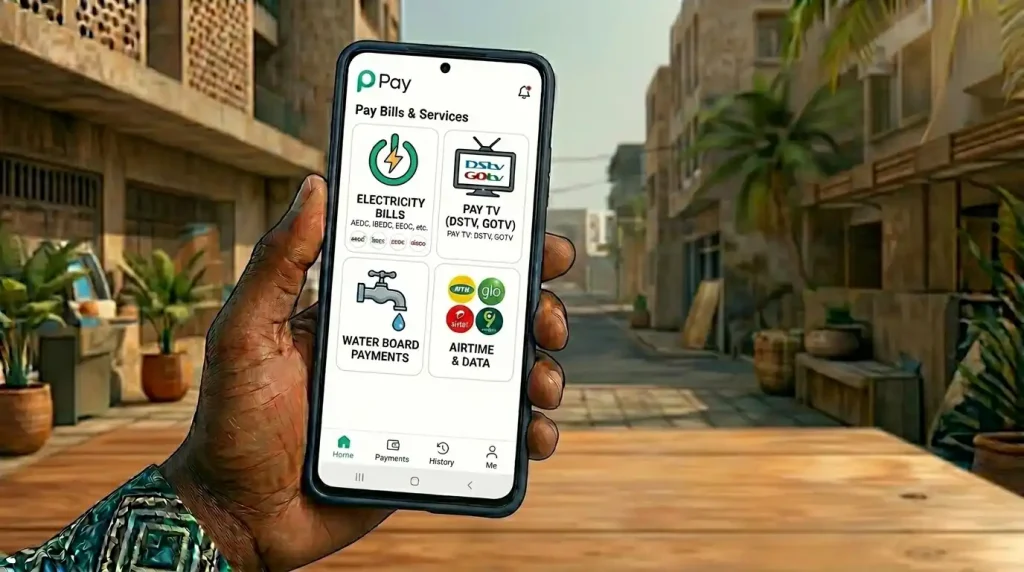
Security improvements have also increased trust in digital payments. Most leading apps now use OTP verification, biometric login, transaction PINs, and instant notifications to reduce fraud risks.
Features That Make a Good Bill Payment App
A strong bill payment app should support multiple utility services. Nigerians often pay for electricity, airtime, internet, and TV subscriptions every month, so users prefer platforms that combine everything in one dashboard.
Speed is another critical factor. Nobody wants delayed electricity token delivery or failed DSTV renewals before an important event. Reliable apps process transactions quickly and provide instant confirmations.
Good customer support also matters. Failed transactions happen occasionally because of network or banking issues. Apps with responsive support teams usually retain more users because customers feel protected during payment problems.
Important features to look for include:
- Support for all major Nigerian electricity providers.
- Instant airtime and data delivery.
- Cashback or discounts on transactions.
- Strong security systems and fraud protection.
- Easy-to-use interface for beginners.
- Fast refund handling for failed payments.
Many users also compare transaction charges before choosing an app. Some platforms charge service fees while others make money through partnerships and advertising instead of direct billing.
7 Best Bill Payment Apps in Nigeria
PalmPay
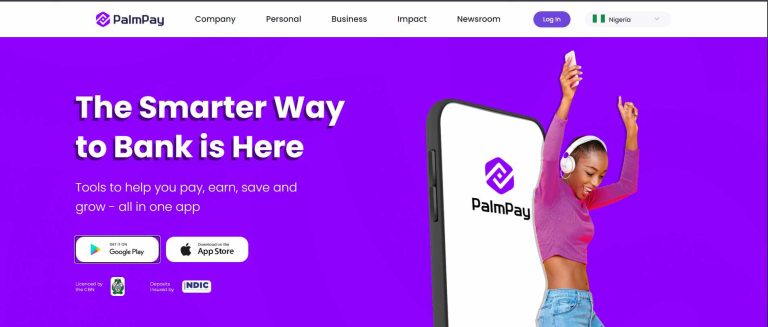
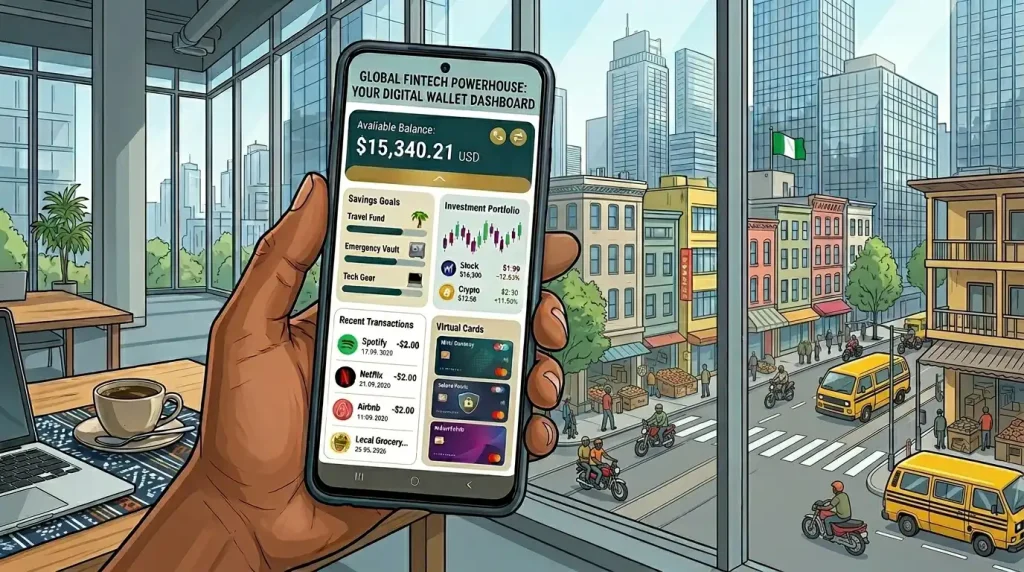
PalmPay is one of the most popular fintech apps in Nigeria for utility payments. The platform offers cashback rewards on airtime, electricity, and internet subscriptions. Many users prefer it because of its aggressive discount system and smooth user interface.
PalmPay supports:
- Electricity token purchases
- Airtime and data recharge
- DSTV and GOTV subscriptions
- Betting wallet funding
- Bank transfers
The app also works well for users with low-end Android devices, making it accessible across different income groups.
Opay
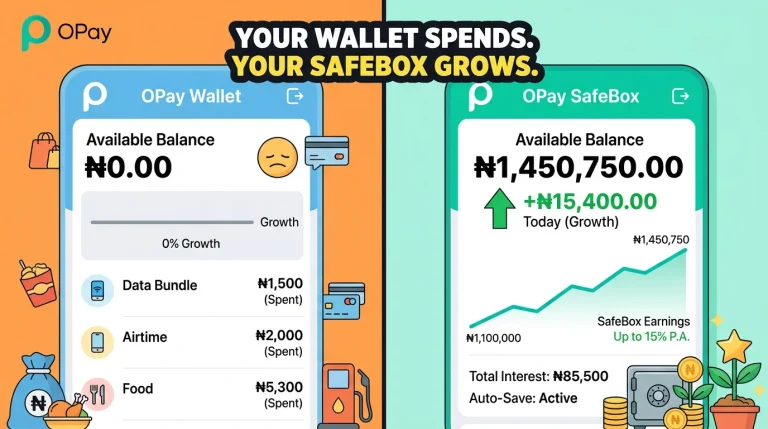
OPay is widely used for fast bill payments and transfers. The platform combines banking services with utility payment features, allowing users to manage finances in one place.
Opay is known for:
- Frequent cashback promotions
- Reliable electricity token delivery
- Fast customer support
- Low transfer charges
- QR payment options
Many Nigerians already use Opay agents nationwide, which increases trust in the brand.
Moniepoint
Moniepoint started mainly as a POS and business banking platform but now supports consumer bill payments. Its stability and transaction success rate make it attractive for users handling larger payment volumes.
Advantages include:
- Strong security systems
- Reliable network uptime
- Fast payment processing
- Good business tools
- Detailed transaction records
Kuda
Kuda Bank combines digital banking with utility bill services. Users can pay bills directly from their Kuda balance without switching apps.
Kuda is useful for:
- Budget-conscious users
- Monthly bill tracking
- Instant payment notifications
- Banking and bills in one place
The clean app interface also appeals to younger Nigerian users.
Quickteller
Quickteller remains one of Nigeria’s oldest digital payment platforms. It supports a wide range of services, including school fees and government payments.
Strengths include:
- Wide utility coverage
- Long-standing reputation
- Multiple payment channels
- Trusted payment infrastructure
JumiaPay
JumiaPay offers bill payments alongside e-commerce services. Users often receive discounts during promotional campaigns.
The app supports:
- Electricity bills
- Airtime purchases
- TV subscriptions
- Internet payments
Frequent promo periods make it attractive for bargain hunters.
Baxi
Baxi is popular among agents and small business owners handling multiple customer payments daily.
Baxi performs well because of:
- Agent-focused services
- Stable infrastructure
- Fast transaction speed
- Multiple payment categories
What Is the Best App for Paying Bills in Nigeria?
The best app for paying bills in Nigeria depends on what matters most to the user. PalmPay and Opay are popular for cashback rewards, while Quickteller and Moniepoint are known for stability and reliability.
If your main priority is discounts, PalmPay often provides stronger promotional offers. Users focused on transaction reliability may prefer Moniepoint or Quickteller. Those who want banking and bill payments combined may find Kuda more convenient.
To choose the right app:
- Compare transaction fees.
- Check cashback availability.
- Test customer support response time.
- Confirm support for your electricity provider.
- Read recent user reviews in app stores.
Some users even keep two apps installed so they can switch platforms during downtime or promotions.
How to Stay Safe When Paying Bills Online
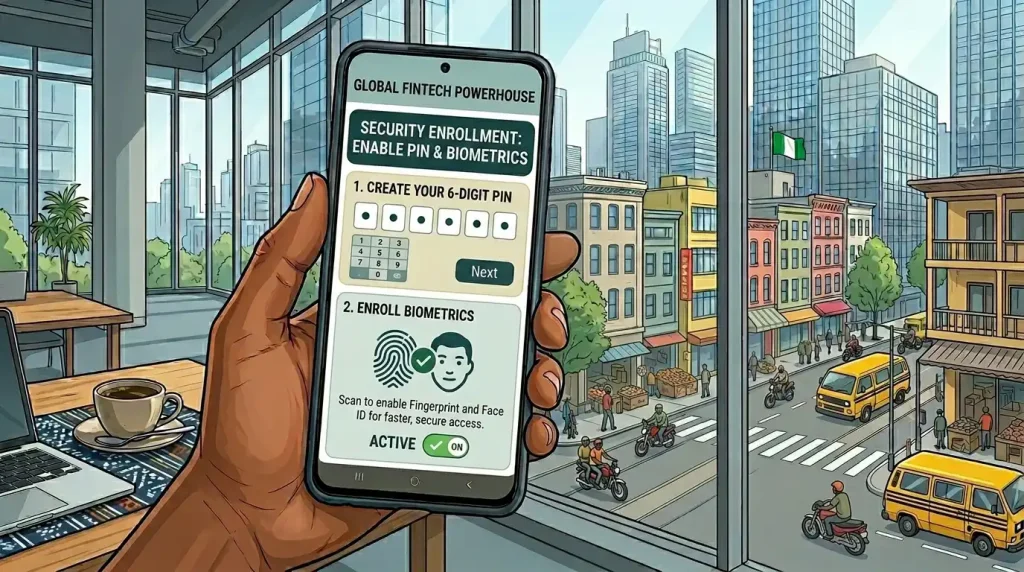
Online bill payments are convenient, but users should still protect themselves from scams and fraud. Cybercriminals often target Nigerians through fake apps, phishing links, and fraudulent customer support accounts.
Always download apps directly from official app stores. Avoid APK files from random websites because they may contain malware designed to steal banking details.
Another smart habit is enabling biometric login and transaction PIN protection. These extra layers reduce the risk of unauthorized access if your phone is stolen.
Safety tips include:
- Never share OTP codes with anyone.
- Avoid public Wi-Fi during payments.
- Verify electricity meter numbers carefully.
- Enable instant transaction alerts.
- Use strong passwords and PINs.
- Update apps regularly.
Users should also verify social media customer support accounts carefully because scammers frequently impersonate fintech brands online.
Pro Tips to Save Money on Bill Payments
Many Nigerians pay more than necessary because they ignore cashback campaigns and promotions. Checking promo offers before paying electricity or airtime bills can reduce monthly expenses significantly.
Another useful strategy is consolidating payments into one app. Some platforms reward consistent users with loyalty bonuses and special discounts unavailable to occasional users.
Timing also matters. Certain fintech apps release promotional offers during weekends, salary periods, or festive seasons. Users who monitor these campaigns often save more.
Helpful strategies include:
- Use cashback apps for frequent payments.
- Compare transaction charges monthly.
- Follow official fintech social media pages for promo updates.
- Save trusted meter and decoder details to avoid mistakes.
- Keep backup payment apps for emergencies.
Users who combine multiple savings methods can reduce annual utility costs noticeably.
Common Mistakes to Avoid with Bill Payment Apps
Using Fake Apps
Many fake apps imitate popular Nigerian fintech brands. Users who install unofficial versions risk losing account details and funds. Always verify publisher names before downloading any payment application.
Ignoring Transaction Receipts
Some people close apps immediately after payments without saving receipts. This becomes a problem during failed transactions or delayed electricity token delivery. Screenshots and receipts help customer support resolve issues faster.
Entering Wrong Meter Numbers
Incorrect electricity meter numbers can send tokens to another customer. Double-check all details before confirming payments because reversals may take days.
Depending on One App Only
Even strong platforms experience occasional downtime. Users who rely on a single app may struggle during emergencies. Keeping at least two trusted payment apps reduces disruption.
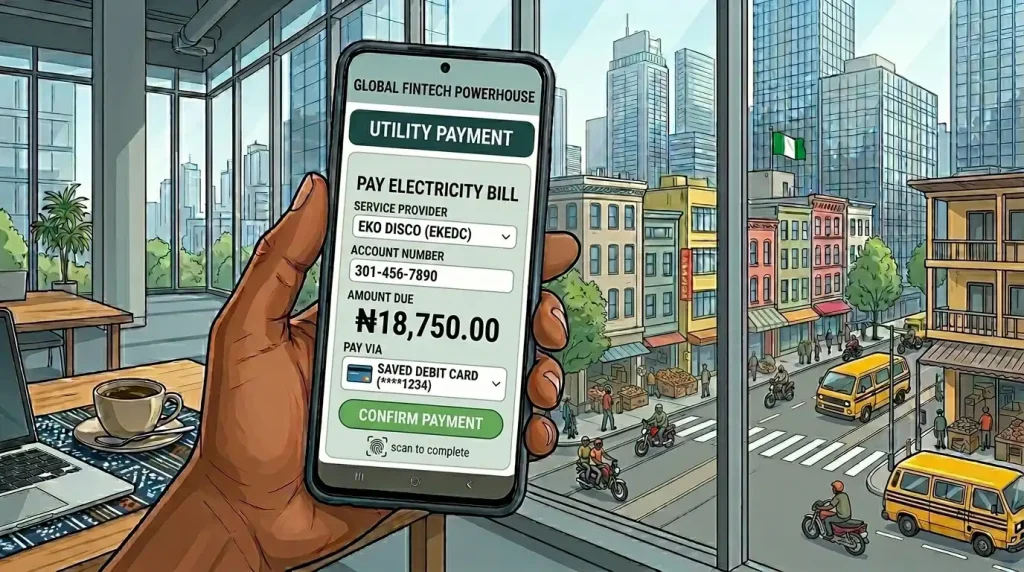
Best for Bill Payments
| Tool | Purpose | Pricing | Nigerian Accessibility |
|---|---|---|---|
| PalmPay | Cashback utility payments | Free | Fully accessible |
| Opay | Bills and banking | Free | Fully accessible |
| Quickteller | Multi-service payments | Freemium | Fully accessible |
| Kuda | Digital banking + bills | Free | Fully accessible |
| Moniepoint | Stable payments and transfers | Freemium | Fully accessible |
| Google Authenticator | Extra account security | Free | Works in Nigeria |
FAQ About Bill Payment Apps
Which bill payment app works best for electricity bills?
PalmPay, Opay, and Quickteller are among the most reliable for electricity token purchases. They support major Nigerian electricity distribution companies and usually deliver tokens instantly.
Do bill payment apps charge extra fees?
Some apps charge service fees while others offer free payments during promotions. Charges vary depending on the provider, payment type, and promotional campaigns running at the time.
Can I reverse a wrong bill payment?
Reversals depend on the provider and the type of error. Contact customer support immediately with your receipt and transaction details to improve the chances of recovery.
Are these apps available on iPhone and Android?
Yes. Most major Nigerian fintech apps support both Android and iPhone users through official app stores.
What happens if my electricity token does not arrive?
Users should first check transaction status inside the app. If the token still does not appear, contact customer support with the receipt and meter number.
Can I pay NEPA bills with my phone?
Yes. Most Nigerian fintech apps allow users to buy electricity tokens directly from smartphones. Users simply select their electricity provider, enter the meter number, and complete payment using bank cards, transfers, or wallet balances.
Which app gives the best cashback for bill payments?
PalmPay and Opay frequently offer some of the strongest cashback promotions in Nigeria. Cashback values change regularly, so users should compare offers before making payments.
Are bill payment apps safe in Nigeria?
Most major bill payment apps are secure when downloaded from official app stores. Users should still enable PIN protection, avoid phishing links, and never share OTP codes.
Can I pay DSTV and GOTV subscriptions online?
Yes. Apps like Quickteller, PalmPay, Opay, and JumiaPay support DSTV and GOTV payments with instant activation in most cases.
Conclusion
Bill payment apps in Nigeria have transformed how people handle electricity, airtime, internet, and cable TV subscriptions. Instead of waiting in long queues or depending entirely on POS agents, users can now complete transactions within minutes from their smartphones.
The best platform depends on individual needs. PalmPay and Opay are excellent for cashback offers, while Quickteller and Moniepoint stand out for reliability and broad service coverage. Security, customer support, and transaction speed should always guide your decision.
Using trusted fintech apps responsibly can save time, reduce stress, and even lower monthly expenses through discounts and rewards.
Explore more fintech and money-saving guides on BLOOG.NG and share your favorite bill payment app experience in the comments section.