


Digital payments are becoming part of everyday life in Nigeria, and PalmPay has positioned itself as one of the fastest-growing fintech apps in the country. From airtime purchases to money transfers and cashback rewards, millions of Nigerians now use PalmPay for daily financial activities. According to reports from Nigeria’s fintech industry and app marketplace rankings, mobile wallet apps continue gaining massive adoption as internet access and smartphone usage expand across the country.
PalmPay Official Website describes the platform as a financial service app designed to simplify payments, transfers, savings, and digital banking experiences. While many Nigerians first discovered PalmPay through cashback promotions and referral bonuses, the platform has evolved into a broader financial ecosystem supporting transfers, utility payments, and merchant services.
Understanding what PalmPay offers beyond promotions is important before relying on it for daily transactions. Features, transaction reliability, customer support quality, and security protections all affect how useful a fintech app becomes in real life. That makes it important to examine PalmPay carefully from both a convenience and trust perspective.
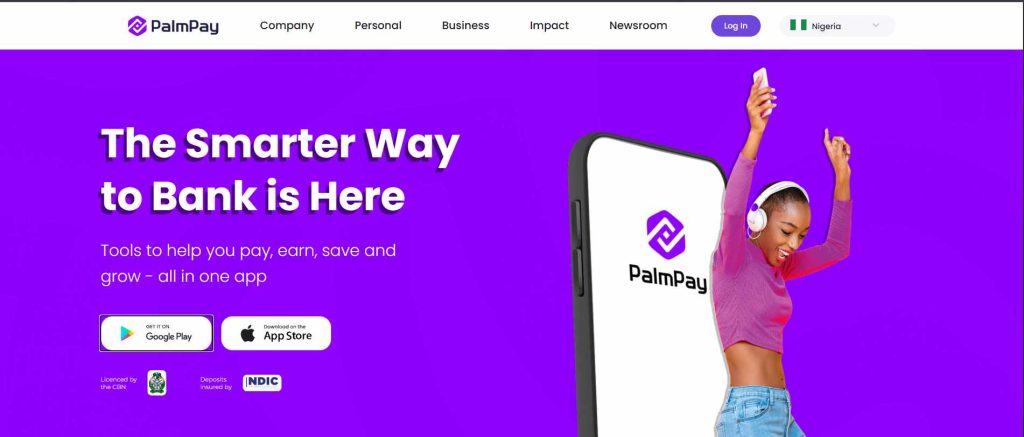
Table of Contents
What Is PalmPay and How Does It Work?
PalmPay is a mobile financial platform that allows users to send money, pay bills, buy airtime, and manage digital wallet transactions directly from a smartphone. It operates similarly to many digital wallet apps but focuses heavily on accessibility and rewards for Nigerian users.
The app functions by creating a wallet account linked to a phone number and user identity. Once funded through bank transfer, debit card, or other payment methods, users can perform multiple transactions instantly. Many Nigerians prefer fintech apps like PalmPay because they often provide faster transaction experiences than traditional banking apps during busy periods.
PalmPay supports several common payment activities:
- Bank transfers
- Airtime purchases
- Data subscriptions
- Electricity bill payments
- Cable TV subscriptions
- Merchant payments
One major reason for PalmPay’s popularity is convenience. Traditional banking apps sometimes experience downtime during peak hours, especially around salary periods or public holidays. Fintech apps like PalmPay attempt to provide faster alternatives for smaller daily transactions.
Another reason is accessibility. Many users appreciate the simple interface, promotional discounts, and cashback rewards available inside the app. These incentives encourage frequent use among students, small business owners, and mobile-first internet users.
7 Powerful PalmPay Features Nigerians Should Know
PalmPay includes several features that make it attractive for daily financial activities in Nigeria.
1. Fast Money Transfers
PalmPay supports quick transfers to Nigerian bank accounts. Users can send money directly from wallet balances without visiting physical banks.
The transfer process is simple:
- Open the app
- Select transfer
- Choose recipient bank
- Enter account details
- Confirm payment
Many users prefer this because transfers are usually completed within minutes.
2. Cashback Rewards
One of PalmPay’s strongest marketing advantages is cashback rewards. Users may receive discounts or cashback when:
- Buying airtime
- Paying electricity bills
- Purchasing data bundles
- Completing transfers
These incentives make small daily transactions cheaper over time.
3. Airtime and Data Purchases
PalmPay allows instant airtime and data purchases across major Nigerian networks:
- MTN
- Airtel
- Glo
- 9mobile
The process is fast and often includes discounts compared to standard telecom pricing.
4. Bill Payment Integration
Users can pay utility bills directly through the app including:
- Electricity
- Cable TV
- Internet subscriptions
- Education payments
This reduces the need for physical payment centers.
5. Merchant Payment Services
PalmPay supports QR and merchant payment systems for businesses accepting digital payments.
Small businesses increasingly adopt fintech wallets because customers now expect fast digital transactions.
6. Referral Bonuses
PalmPay also provides referral systems where users may earn bonuses for inviting others.
However, referral earnings vary and should not be treated as guaranteed income.
7. Secure Wallet System
The platform includes security features such as:
- Transaction PINs
- Device verification
- OTP confirmation
- Login authentication
These features help protect accounts from unauthorised access.
Is PalmPay Legit in Nigeria?
Yes. PalmPay operates legally within Nigeria’s fintech ecosystem and partners with licensed financial institutions and payment infrastructure providers.
The platform has gained widespread popularity partly because it solves everyday financial problems for smartphone users. Nigerians commonly use PalmPay for:
- Small transfers
- Utility bill payments
- Airtime purchases
- Cashback-driven spending
One important factor behind PalmPay’s legitimacy is regulatory alignment. Financial apps operating in Nigeria usually work within systems regulated by the Central Bank of Nigeria and payment service infrastructure providers.
However, legitimacy does not mean users should ignore security precautions. Like every financial platform, users still need strong passwords, secure phones, and caution against phishing scams.
Some users occasionally complain about:
- Delayed reversals
- Verification delays
- Customer support response times
These issues are common across many fintech platforms, not only PalmPay. Understanding this helps users set realistic expectations.
How to Open and Verify a PalmPay Account
Opening a PalmPay account is straightforward for most Nigerian smartphone users.
Download the Official App
Users should install PalmPay only from:
Avoid downloading APK files from unknown websites because modified apps may contain malware.
Register With Your Phone Number
The registration process typically requires:
- Active Nigerian phone number
- OTP verification
- Password or PIN setup
After verification, users gain access to a basic wallet account.
Complete KYC Verification
Higher transaction limits usually require identity verification through:
- BVN
- NIN
- Government ID
- Selfie verification
Verification improves account security and unlocks more financial features.

Fund the Wallet
Users can fund PalmPay accounts through:
- Bank transfers
- Debit cards
- Other wallet transfers
Once funded, transactions become immediately available.
PalmPay Transfer, Bills, and Cashback Features
PalmPay’s strongest appeal for many Nigerians is convenience combined with rewards.
Transfers are often processed quickly compared to some traditional banking systems. This matters for users making urgent payments to family members, vendors, or customers.
The bill payment section is another major advantage. Instead of visiting physical payment centers, users can complete:
- Electricity payments
- Cable renewals
- Data subscriptions
- Airtime purchases
Cashback rewards also encourage repeated use. Although promotions change frequently, discounts on airtime and utility bills remain among the app’s most attractive features.
However, users should monitor promotions carefully because reward structures sometimes change. Cashback offers may vary based on transaction size, user activity, or promotional campaigns.
PalmPay Security and Customer Support
Security remains one of the most important concerns for fintech users in Nigeria.
PalmPay uses several security systems including:
- OTP verification
- Transaction PIN protection
- Device authentication
- Login verification
These systems reduce the risk of unauthorised access.
Users also play a major role in account security. Unsafe habits such as sharing OTPs, installing suspicious apps, or using weak passwords increase financial risks regardless of platform quality.
Customer support is available through:
- In-app support
- Email channels
- Social media pages
- Help center resources
Support quality sometimes depends on issue complexity. Simple issues may resolve quickly, while disputed transactions may take longer.
Pro Tips to Use PalmPay Effectively
One effective strategy is using PalmPay primarily for smaller daily transactions instead of storing large savings balances permanently inside the wallet. This reduces financial exposure while still allowing users to enjoy convenience and rewards.
Another smart habit is enabling all available security protections. Strong PINs, biometric authentication, and phone lock security dramatically reduce account compromise risks.
Users should also monitor transaction history regularly. Checking account activity frequently helps detect suspicious transfers early before larger issues develop.
It is equally important to keep apps updated. Fintech companies regularly release security updates and bug fixes that improve transaction reliability and protection.
Finally, avoid relying entirely on cashback promotions when making spending decisions. Discounts are useful, but financial discipline remains more important than reward programs.
Common Mistakes to Avoid with PalmPay
Ignoring Security Settings
Some users skip PIN protection or biometric authentication. This creates unnecessary security risks if phones become lost or stolen.
Always activate available security features immediately after registration.
Downloading Fake Apps
Scammers sometimes create fake fintech apps designed to steal login information.
Only install PalmPay from official app stores.
Sharing OTP Codes
Fraudsters often pretend to be customer support agents requesting OTP codes.
Legitimate support teams never ask for OTP details.
Depending Entirely on Cashback
Some users overspend simply because cashback promotions exist.
Rewards should support smart spending habits rather than encourage unnecessary purchases.
Best Tools for PalmPay Users

Google Authenticator
Useful for strengthening account security across digital finance platforms. Free.
Paystack
Helpful for online businesses accepting payments from Nigerian customers. Freemium.
Flutterwave
Popular payment gateway supporting Nigerian businesses and merchants. Freemium.
LastPass Password Manager
Securely stores passwords and fintech login credentials. Freemium.
FAQ About PalmPay
Is PalmPay available across Nigeria?
Yes. PalmPay works nationwide anywhere users have internet access and supported banking connections.
Can PalmPay be used for business transactions?
Yes. Many small businesses use PalmPay for customer payments, transfers, and merchant services.
How long do PalmPay transfers take?
Most transfers complete within minutes, although occasional delays may occur during banking network congestion.
Is PalmPay free to use?
Opening an account is free, but some transactions may include processing charges depending on service type.
Can PalmPay reverse failed transactions?
Yes. Failed transactions are usually reversed automatically, although timelines vary depending on the issue involved.
Is PalmPay safe for transactions?
PalmPay includes multiple security layers such as OTP verification, transaction PINs, and device authentication. However, users should still practice safe online banking habits.
Does PalmPay charge transfer fees?
Transfer fees may vary depending on transaction type, promotional campaigns, and banking conditions.
Can PalmPay replace a bank account?
PalmPay works well for daily transactions but should not completely replace traditional banking services for everyone.
Does PalmPay work without BVN?
Basic wallet functions may work initially, but higher transaction limits usually require BVN verification.
Can PalmPay receive international payments?
PalmPay mainly focuses on Nigerian financial services, although some linked banking systems may support broader payment functions.
Conclusion
PalmPay has become one of the most recognised fintech apps in Nigeria because it combines convenience, digital payments, cashback rewards, and mobile-first banking features in a simple interface. For many Nigerians, it offers faster daily transaction experiences compared to traditional banking channels.
The platform works especially well for airtime purchases, bill payments, transfers, and small everyday financial activities. At the same time, users should maintain realistic expectations and prioritise security habits while using any fintech app.
Understanding PalmPay’s strengths and limitations helps users decide whether it fits their financial lifestyle and transaction needs.
For more fintech reviews and digital banking guides, explore Bloog.ng and share your PalmPay experience in the comments section.