
Table of Contents
Introduction
10 Ways Drone Technology is Transforming Farming in Nigeria is a topic gaining attention as agriculture evolves with modern tools. Farmers across Nigeria are adopting drones to improve productivity, reduce costs, and make smarter decisions.
In this article, we explore 10 Ways Drone Technology is Transforming Farming in Nigeria and how this innovation is reshaping the future of agriculture.
Why Drone Technology is Important in Nigerian Agriculture
Before exploring the 10 Ways Drone Technology is Transforming Farming in Nigeria, it’s important to understand why drones matter.
Key Benefits:
- Faster farm monitoring
- Reduced labor costs
- Accurate data collection
- Improved crop yield
Drone technology in agriculture helps farmers work smarter, not harder.
10 Ways Drone Technology is Transforming Farming in Nigeria
Here are the 10 Ways Drone Technology is Transforming Farming in Nigeria:
1. Crop Monitoring

Drones provide real-time images of farms, helping farmers detect issues early.
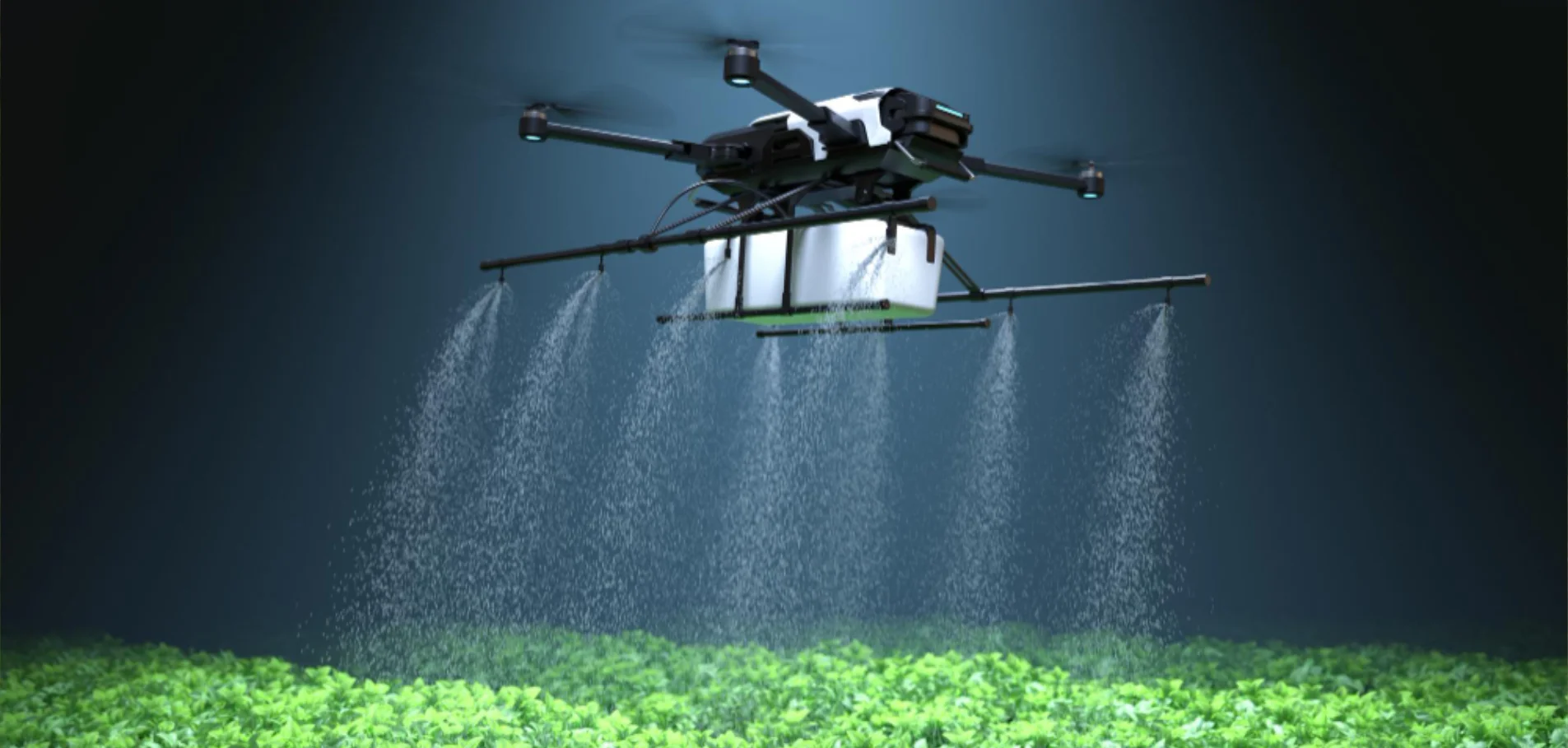
2. Crop Spraying

Drones can spray fertilizers and pesticides quickly and evenly.
3. Precision Farming
Drones collect data that helps farmers apply resources efficiently.
4. Irrigation Management
Farmers can identify dry areas and adjust watering systems.
5. Soil Analysis
Drones help analyze soil conditions before planting.
6. Plant Health Assessment
Multispectral imaging detects crop diseases early.
7. Livestock Monitoring
Farmers can track animals over large areas.
8. Reduced Labor Costs
Automation reduces the need for manual labor.
9. Increased Productivity
Faster operations lead to better output.
10. Data-Driven Decisions
Farmers can make informed decisions using drone data.
These examples show how drone technology in agriculture is improving farming systems.
Drone Technology in Agriculture vs Traditional Farming
Traditional farming methods in Nigeria face challenges such as:
- Limited mechanization
- High labor costs
- Low efficiency
Drone technology in Nigeria addresses these issues by introducing automation and precision.
Challenges of Drone Adoption in Nigeria
Despite the benefits, there are challenges:
- High initial cost
- Limited technical knowledge
- Regulatory restrictions
- Poor infrastructure
These factors explain why agriculture has not been fully mechanized in Nigeria.
Future of Drone Technology in Nigeria
The future looks promising for drone technology in nigeria.
Trends to Watch:
- Increased adoption by farmers
- Government support programs
- Growth of drone production in Nigeria
- Integration with AI and IoT
Drones are truly becoming the technology that is changing the world.
Pro Tips for Using Drones in Farming
- Start with small-scale deployment
- Invest in training
- Use data analytics tools
- Maintain your drone regularly
Common Mistakes to Avoid
- Buying expensive drones without training
- Ignoring maintenance
- Not using collected data
- Over-relying on technology
Tools & Resources
- Agricultural drone software
- GPS mapping tools
- Farm management apps
- Training programs
FAQ
What is drone technology in agriculture?
It involves using drones to monitor, manage, and improve farming activities.
How are drones used in Nigerian farms?
They are used for crop monitoring, spraying, and data collection.
Are drones expensive for farmers?
Initial costs are high, but long-term benefits outweigh expenses.
Can drones increase farm productivity?
Yes, drones improve efficiency and crop yield.
Conclusion
The 10 Ways Drone Technology is Transforming Farming in Nigeria show how innovation is changing agriculture. From crop monitoring to data-driven decisions, drones are helping farmers achieve better results.
As technology advances, adopting drones will become essential for modern farming. Now is the time for farmers and agribusiness owners to embrace this transformation.
Visit Bloog.ng for more insights on technology and innovation in Nigeria.