
Thousands of Nigerian entrepreneurs struggle to access funding every year, even when government-backed opportunities exist. SMEDAN has become one of the most searched business support programs in Nigeria because many small business owners want affordable financing without the extreme requirements traditional banks often demand.
According to the National Bureau of Statistics, micro, small, and medium enterprises contribute significantly to Nigeria’s economy and employment sector. Government agencies and financial institutions now focus more heavily on supporting SMEs through training, grants, and structured financing initiatives. This growing interest explains why searches for terms like “smedan loan apply” and “federal government smedan loan” continue to rise.
Many business owners mistakenly believe SMEDAN directly gives out free money to everyone who registers. The reality is more structured. SMEDAN registration can improve visibility, credibility, and access to programs tied to funding partnerships. Understanding how the process works can save entrepreneurs time and frustration while increasing their chances of qualifying for future opportunities.
Table of Contents
What Is SMEDAN and Why Does It Matter?
Small and Medium Enterprises Development Agency of Nigeria, commonly known as SMEDAN, is a Nigerian government agency established to support the growth and development of small businesses across the country. The agency focuses on entrepreneurship development, training, policy support, and facilitating access to funding opportunities for SMEs.

Many Nigerian entrepreneurs operate informally without proper documentation or business structure. This often prevents them from accessing loans, grants, and partnership opportunities. SMEDAN helps bridge this gap by encouraging business formalization and providing support programs designed specifically for small enterprises.
SMEDAN registration has become increasingly important because many intervention programs now request proof of registration before businesses can apply. While registration itself does not guarantee funding approval, it strengthens a business profile and improves credibility during evaluations.
Key benefits of SMEDAN registration include:
- Increased visibility for government-backed opportunities
- Access to training and capacity-building programs
- Better credibility with lenders and investors
- Potential eligibility for SME-focused interventions
- Networking opportunities with other entrepreneurs
- Access to business development resources
Nigerian entrepreneurs in sectors like agriculture, fashion, logistics, technology, and retail often benefit the most from SME-focused support systems. Businesses that maintain proper records and registration documents typically have stronger chances during funding reviews.
How SMEDAN Supports Nigerian Businesses
SMEDAN supports businesses through multiple channels beyond loans alone. Many entrepreneurs focus only on financing and ignore other valuable services that can strengthen long-term business growth.
One of the agency’s major roles is entrepreneurship training. These programs teach business planning, financial management, customer service, and operational efficiency. Many Nigerian SMEs fail because owners lack financial literacy and structured business management systems. Training programs help address these challenges.
SMEDAN also collaborates with banks, development finance institutions, and private organizations. These partnerships create funding channels for qualified SMEs. Programs linked to institutions like NIRSAL Microfinance Bank often use SME databases during outreach and application phases.
Additional support areas include:
- Business advisory services
- Digital skills development
- Market access programs
- Youth entrepreneurship initiatives
- Women-focused empowerment programs
- Export readiness training
Entrepreneurs who actively participate in training programs may gain advantages during evaluations because they demonstrate commitment and business preparedness. Financial institutions generally prefer businesses that show evidence of planning, structure, and operational understanding.
Another overlooked advantage is networking exposure. Many SMEs discover partnerships, suppliers, and new customers through workshops and events organized around entrepreneurship development initiatives.
What Is SMEDAN Loan in Nigeria?
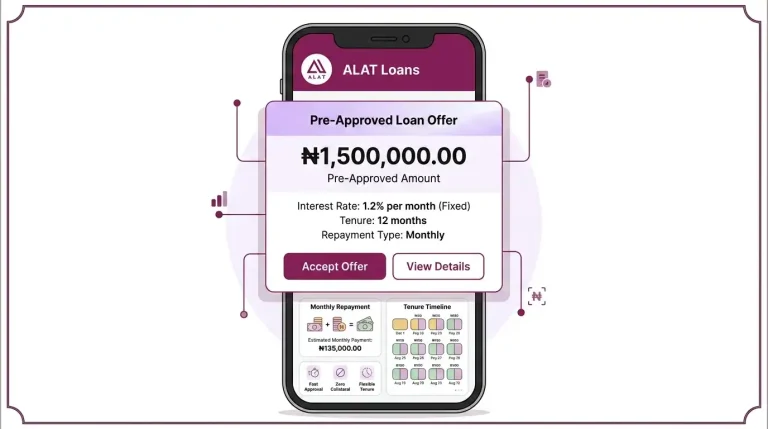
SMEDAN loan programs usually refer to financing opportunities connected to SME intervention partnerships involving government agencies, banks, or development institutions. SMEDAN itself is not a commercial bank, but registration can help businesses become more visible for funding-related initiatives.
Most loan opportunities associated with SMEDAN focus on helping small businesses access affordable financing with lower interest rates than traditional commercial loans. Some programs target agriculture, manufacturing, women entrepreneurs, youth-owned businesses, or technology startups.
Common funding-related partnerships may involve:
- Government intervention funds
- Youth empowerment financing
- Agricultural support schemes
- Microenterprise development programs
- Startup acceleration initiatives
- Women-focused SME financing
Businesses searching for “nirsal smedan loan” are often looking for intervention funding connected to agricultural or SME support programs. These opportunities usually require applicants to provide business documentation, identification, financial information, and evidence of operations.
Important Reality About SMEDAN Loans
Many misleading social media posts falsely claim that SMEDAN guarantees instant loans after registration. That is inaccurate. Registration alone does not secure automatic approval. Financial institutions still evaluate applicants based on business viability, repayment ability, documentation quality, and eligibility criteria.
Businesses with proper records, consistent operations, and realistic business plans generally perform better during loan assessments. Entrepreneurs should approach funding opportunities with realistic expectations and proper preparation.
What Are SMEDAN Registration Requirements?
SMEDAN registration requirements are relatively straightforward compared to many corporate financing processes in Nigeria. The system is designed to encourage small businesses to become formally recognized.
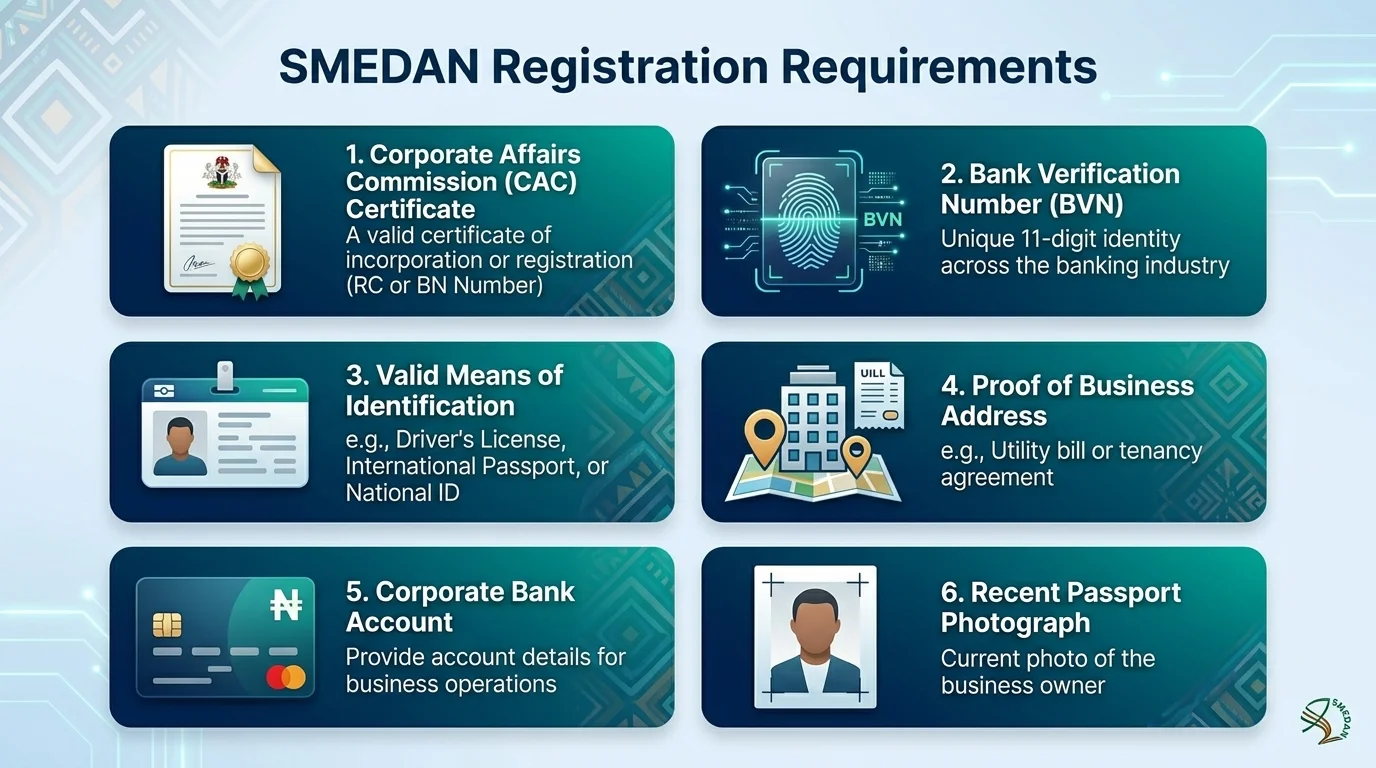
Typical registration requirements include:
- Full business name
- Phone number and email address
- Business address
- Nature of business
- Owner identification details
- Business sector information
- Number of employees
- CAC details if available
Some businesses register before obtaining formal CAC documentation, while others complete registration after incorporating their businesses. The exact requirements may vary slightly depending on updates to the registration platform.
Basic Documents Entrepreneurs Should Prepare
Business owners should organize several documents before beginning registration or funding applications. These include:
- Valid government-issued ID
- Utility bill or address verification
- Bank Verification Number (BVN)
- Passport photograph
- Business account details
- Business plan or operational summary
Keeping these documents organized reduces delays during future applications tied to SME support programs.
Why Proper Documentation Matters
Many Nigerian SMEs lose opportunities because of inconsistent business records. A business may have strong sales but poor documentation. Lenders and intervention programs rely heavily on records when evaluating applications.
Proper documentation shows seriousness, operational stability, and accountability. Businesses that maintain transaction history, customer records, and business banking activity often appear more credible during funding assessments.
How to Apply for SMEDAN Loan Online
What is SMEDAN loan in Nigeria?
SMEDAN loan programs in Nigeria are funding initiatives connected to SME support partnerships involving government agencies, development finance institutions, and participating banks. Registration with SMEDAN may improve a business’s eligibility for intervention opportunities, but approval still depends on business documentation, financial evaluation, and program requirements.
Applying for SME-related funding online requires patience and careful preparation. Many Nigerian entrepreneurs rush through applications and make avoidable mistakes that reduce their chances of approval.
Follow these steps carefully:
- Register your business with SMEDAN and ensure your details are accurate.
- Prepare valid identification and business documents.
- Open and actively use a business bank account.
- Monitor official announcements from SMEDAN and partner institutions.
- Complete application forms carefully without false information.
- Upload clear and valid documentation.
- Follow up professionally if additional verification is requested.
Entrepreneurs should avoid unofficial websites or social media pages promising guaranteed approval. Fraudulent loan schemes targeting Nigerian SMEs have increased significantly in recent years.
Reliable applications should only be completed through official portals connected to recognized institutions. Business owners should also verify announcements through trusted financial or government channels before submitting sensitive information.
Common Mistakes to Avoid with SMEDAN
Many entrepreneurs unknowingly reduce their chances of accessing SME support because of avoidable errors. Understanding these mistakes can improve overall preparedness.
Using Inconsistent Business Information
Some applicants use different business names across bank accounts, registration documents, and application forms. This inconsistency creates verification problems and raises concerns during reviews.
Businesses should maintain consistent records across all platforms and documents. Even small discrepancies can delay processing significantly.
Applying Without Business Activity
Many intervention programs prefer businesses showing operational activity rather than ideas alone. Applicants without transaction records, customer activity, or operational evidence may struggle during assessments.
Even small businesses should maintain proper transaction history and financial records.
Ignoring Financial Discipline
Poor banking habits hurt credibility. Frequent overdrafts, irregular transactions, and lack of financial structure can negatively affect evaluations.
Maintaining organized finances improves long-term funding opportunities.
Falling for Fake Loan Agents
Fraudsters often promise guaranteed approval in exchange for upfront payments. Legitimate government intervention programs rarely operate through private agents demanding unofficial charges.
Entrepreneurs should verify opportunities through official announcements only.
Pro Tips to Improve Your SMEDAN Loan Approval Chances
Building funding readiness takes time, but strategic preparation can significantly improve outcomes for Nigerian SMEs.
One important strategy is maintaining consistent business activity through a dedicated business account. Financial institutions prefer businesses with visible operational patterns because this reduces perceived risk.
Another useful approach involves improving financial literacy. Entrepreneurs who understand cash flow management, pricing, and operational costs tend to present stronger funding applications. Training programs linked to SME development initiatives can help business owners build these skills.
Business owners should also prioritize customer trust and online visibility. A simple online presence through social media or a professional website helps demonstrate legitimacy and operational activity.
Useful habits include:
- Keeping digital sales records
- Separating personal and business finances
- Updating registration details regularly
- Maintaining supplier invoices
- Creating realistic business plans
- Tracking monthly revenue trends
Entrepreneurs should also avoid requesting unrealistic loan amounts. Funding requests should align with business size, operational history, and repayment capacity.
People Also Ask About SMEDAN
Is SMEDAN registration free?
Yes, SMEDAN registration is generally free through official channels. Entrepreneurs should avoid unofficial agents demanding excessive registration fees or promising guaranteed loan approval.
Can SMEDAN give me a loan directly?
SMEDAN mainly supports SMEs through partnerships and development programs. Funding opportunities often involve banks or intervention institutions rather than direct cash disbursement from the agency itself.
Does SMEDAN require CAC registration?
Some programs may request CAC documentation, while others allow informal businesses to participate initially. Formal registration usually improves credibility and eligibility.
How long does SMEDAN registration take?
The process can vary depending on verification and platform updates, but many applicants complete registration within a relatively short period if documents are accurate.
FAQ About SMEDAN
Can I apply for SMEDAN loan online using my phone?
Yes, many SME registration and funding applications can be completed using smartphones. However, applicants should ensure stable internet connections and upload clear documentation.
Is SMEDAN registration compulsory for Nigerian businesses?
SMEDAN registration is not legally compulsory, but it can improve access to support programs, training opportunities, and intervention funding.
What is the difference between SMEDAN and CAC?
Corporate Affairs Commission handles official business incorporation in Nigeria, while SMEDAN focuses on SME development and support initiatives.
Can startups apply for SMEDAN-related opportunities?
Yes, startups may qualify depending on the specific program requirements. Businesses with operational structure and realistic plans generally perform better during evaluations.
Does SMEDAN guarantee business funding?
No. Registration may improve visibility and eligibility, but approval depends on evaluations, documentation, and program conditions.
Conclusion
SMEDAN continues to play an important role in supporting entrepreneurship and SME development across Nigeria. While registration alone does not guarantee funding approval, it can improve business credibility and create opportunities for training, partnerships, and intervention programs.
Entrepreneurs who maintain proper documentation, organized finances, and realistic business plans often stand stronger chances when applying for government-backed opportunities. Understanding how SME funding works also helps business owners avoid scams and unrealistic expectations.
Building a successful business requires consistency, preparation, and long-term thinking. Nigerian SMEs that focus on operational discipline and professional growth are more likely to benefit from programs linked to SMEDAN and related institutions.
Explore more business and finance guides on Bloog.ng and share your SMEDAN registration or funding experience in the comments to help other entrepreneurs learn from real-world experiences.